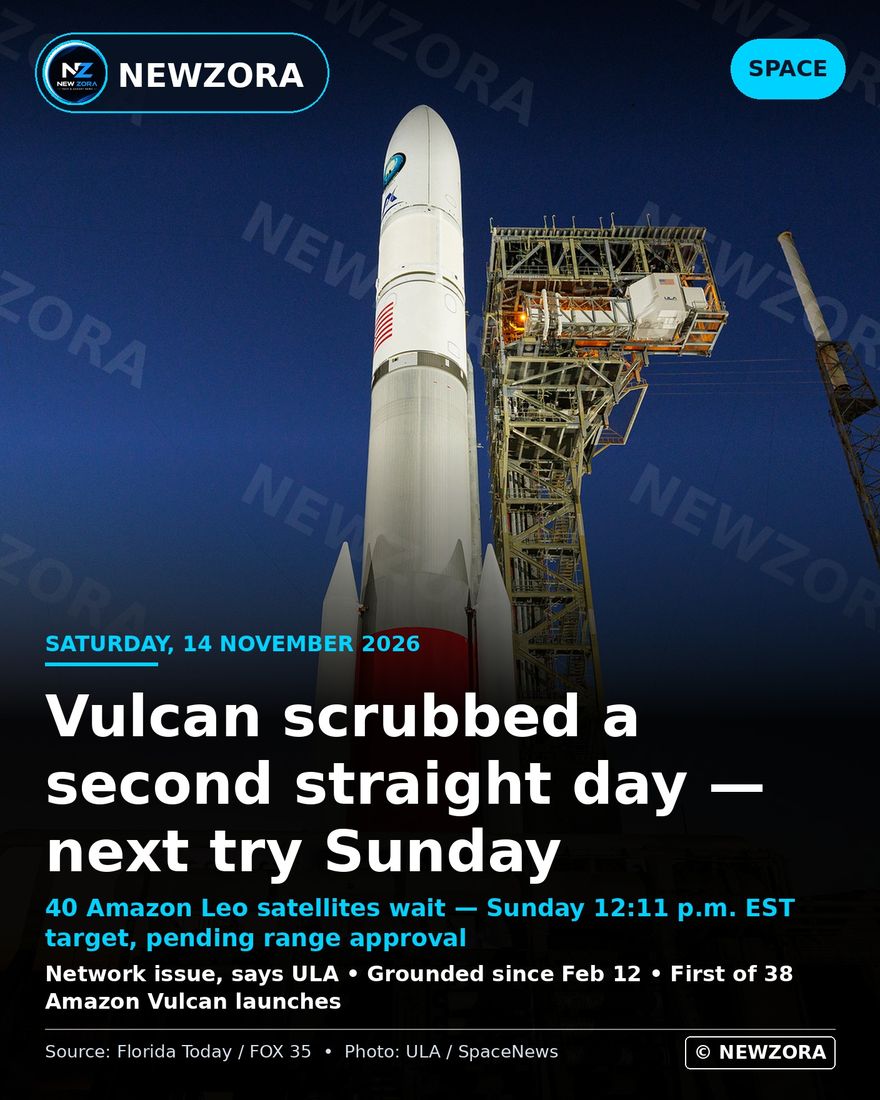
Mechazilla catches Starship — Ship 42 returns from orbit
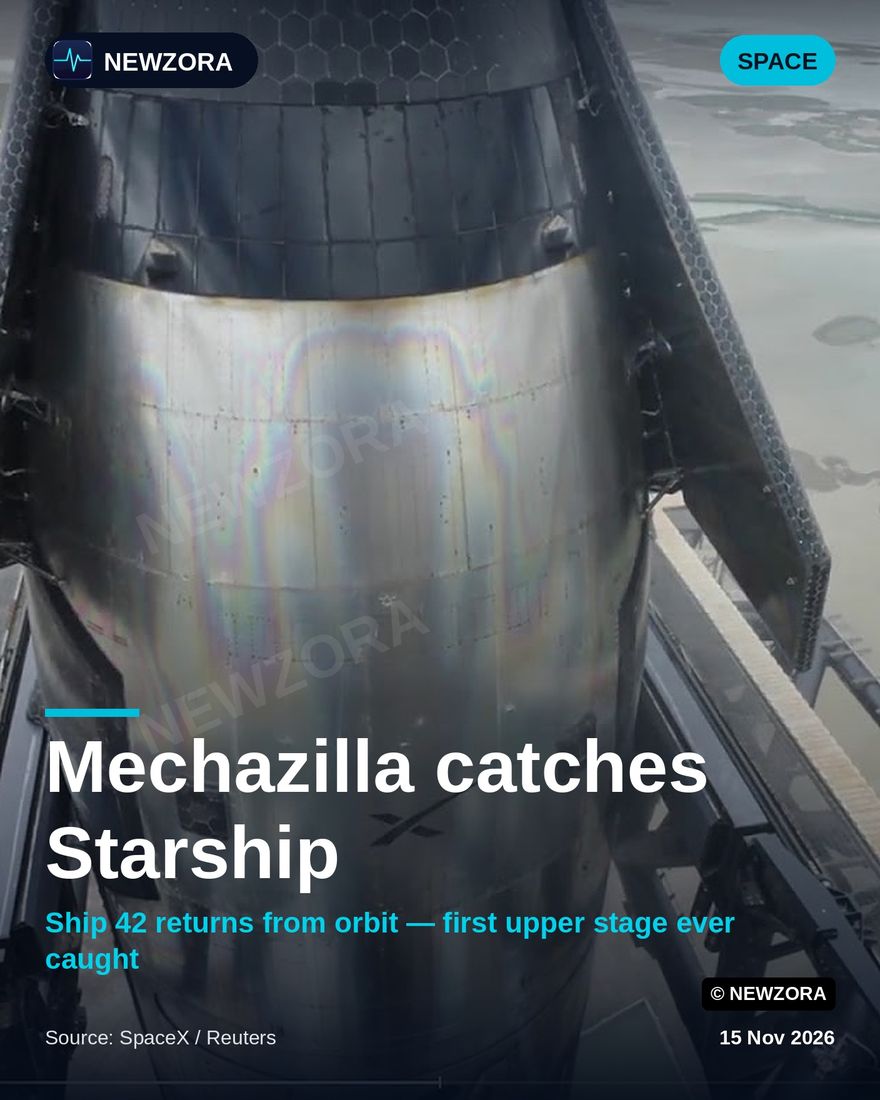
The catch
Ship 42 returned to Starbase after approximately 14 orbits and was captured by the tower arms at 21:20 UTC on Saturday 14 November 2026, corresponding to 03:20 in Dhaka on Sunday 15 November. SpaceX announced the result in a post on X with the words "Mechazilla catches Starship!" The capture followed the same tower-recovery concept previously demonstrated with the Super Heavy booster, but applied for the first time to the Starship upper stage, a vehicle that had completed an orbital-class flight rather than a suborbital ascent.
The distinction is material. Super Heavy boosters had been caught by the tower three times before, most recently in March 2025, and those vehicles were first stages returning from suborbital trajectories. Ship 42 is the first Starship upper stage to be caught, and the first orbital spacecraft to be caught on return to its launch site.
A record-duration flight
Starship Flight 15 lifted off from Starbase at 22:47:36 UTC on 13 November 2026. The flight lasted 22 hours 32 minutes and covered approximately 14 orbits, making it the longest Starship flight ever flown. The extended duration reflects the mission profile: rather than the shorter test flights of earlier Starship missions, Flight 15 was planned as a long-duration orbital mission with a payload deployment early in the flight and a return to the launch site the following day.
During the flight, Ship 42 deployed 26 Starlink V3 satellites, with the deployment completed at approximately T+01:17:40, about 1 hour 17 minutes after liftoff. The deployment was the first operational payload task of the mission and was completed before the long orbital phase that preceded the return.
The booster outcome
Booster 22, the Super Heavy first stage of Flight 15, was not caught. According to SpaceX, a guidance, navigation and control issue arose during the booster return, and the automated systems aborted the catch attempt. The booster was diverted to an offshore splashdown in the Gulf of Mexico and exploded moments before reaching the water, approximately 6.5 minutes after liftoff.
No definitive root cause for the booster abort has been stated. The abort was an automated decision, and the booster did not attempt a tower catch. The outcome means Flight 15 delivered a single-stage recovery, not a double catch: the upper stage was recovered at the tower, while the booster was lost offshore.
Why the catch matters
The recovery of Ship 42 addresses one of the central questions of the Starship programme. A fully reusable launch system requires both stages to return intact, and the upper stage is the more demanding of the two: it must survive orbital velocity, re-entry heating and a controlled descent before a tower can secure it. The catch demonstrates that the tower arms can receive a vehicle returning from orbit, not only a booster returning from a suborbital arc.
The result also validates the long-duration flight profile. A 22-hour, 32-minute mission with approximately 14 orbits and a payload deployment is closer to an operational mission than the earlier short test flights, and the successful return of the upper stage after that profile provides evidence that the vehicle can complete a full orbital mission cycle.
For SpaceX, the catch is a step toward the rapid reuse model the company has described for Starship, in which a caught vehicle can be inspected, refuelled and reflown from the same site. Whether that cadence is achievable depends on the condition of Ship 42 after its first orbital flight and on the resolution of the booster issue that prevented a double recovery.
What comes next
SpaceX has not disclosed a detailed assessment of Ship 42 condition or a date for the next flight. The booster abort will require investigation before the next Super Heavy catch attempt, and the company has not stated a definitive cause. The next Starship flight will be watched for two questions: whether the booster catch can be repeated after the Flight 15 abort, and whether a caught upper stage can be prepared for a second flight.
Sources: SpaceX official X post, 14 November 2026; The Times of Israel liveblog; Starlust live blog; Reuters via ThePrint.
More in Space
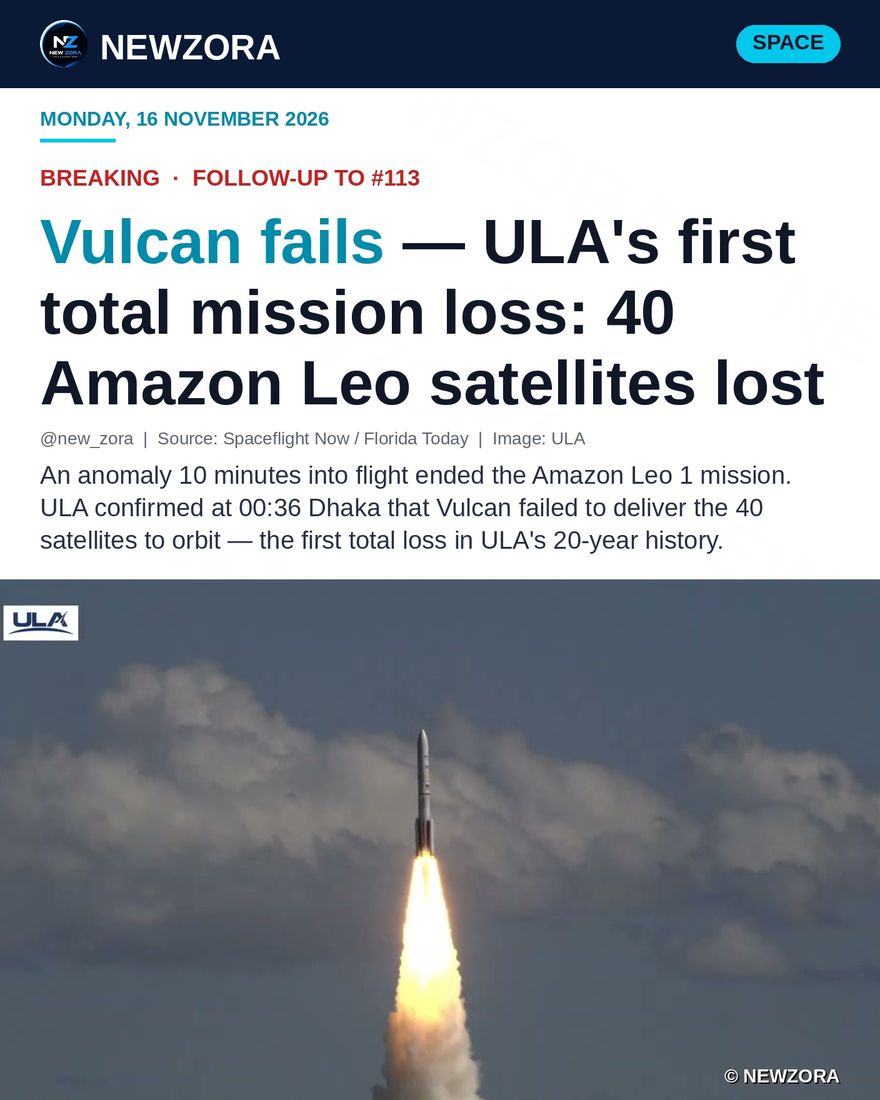
Vulcan fails — ULA's first total mission loss: 40 Amazon Leo satellites lost

Vulcan returns to flight — Amazon Leo 1 launches after two scrubs